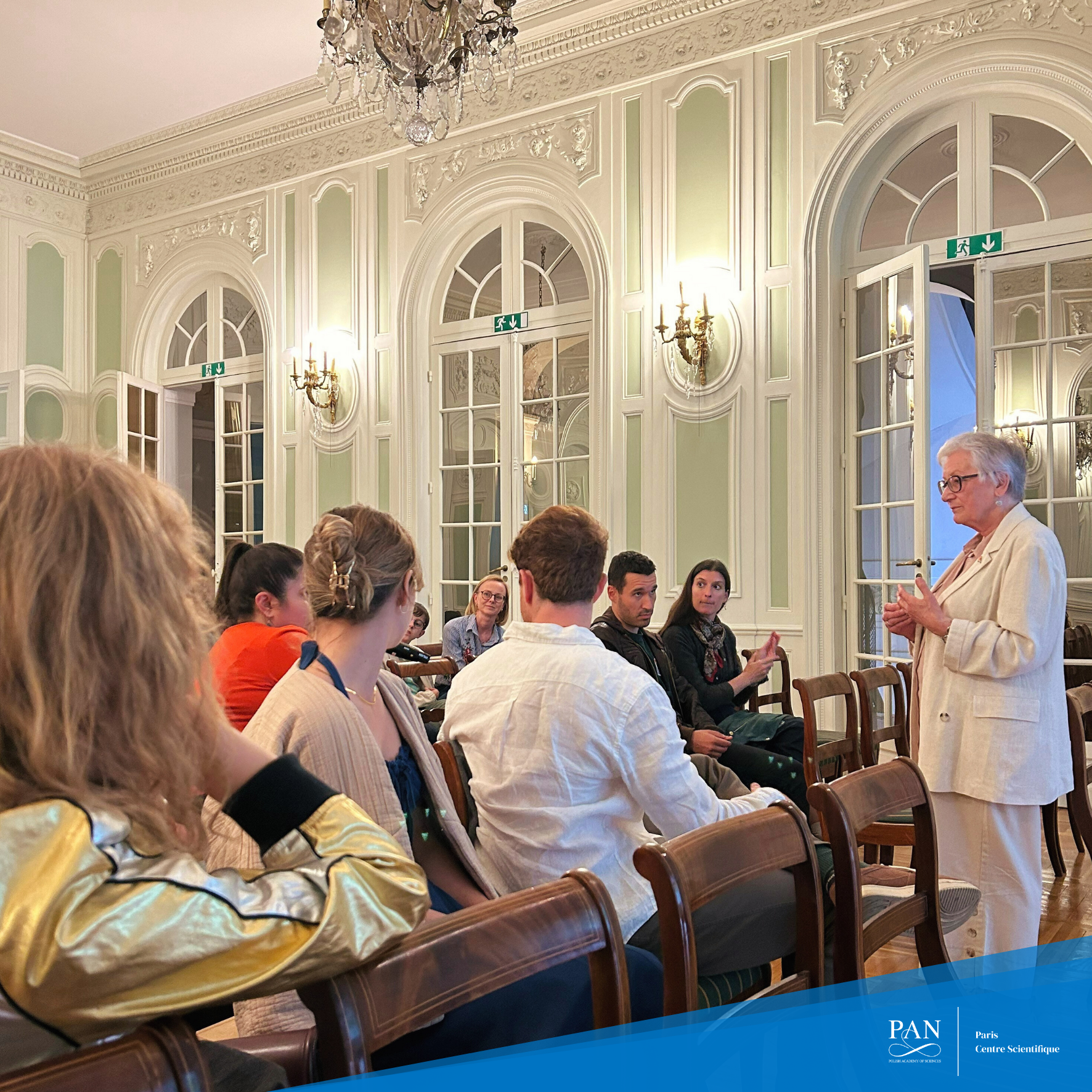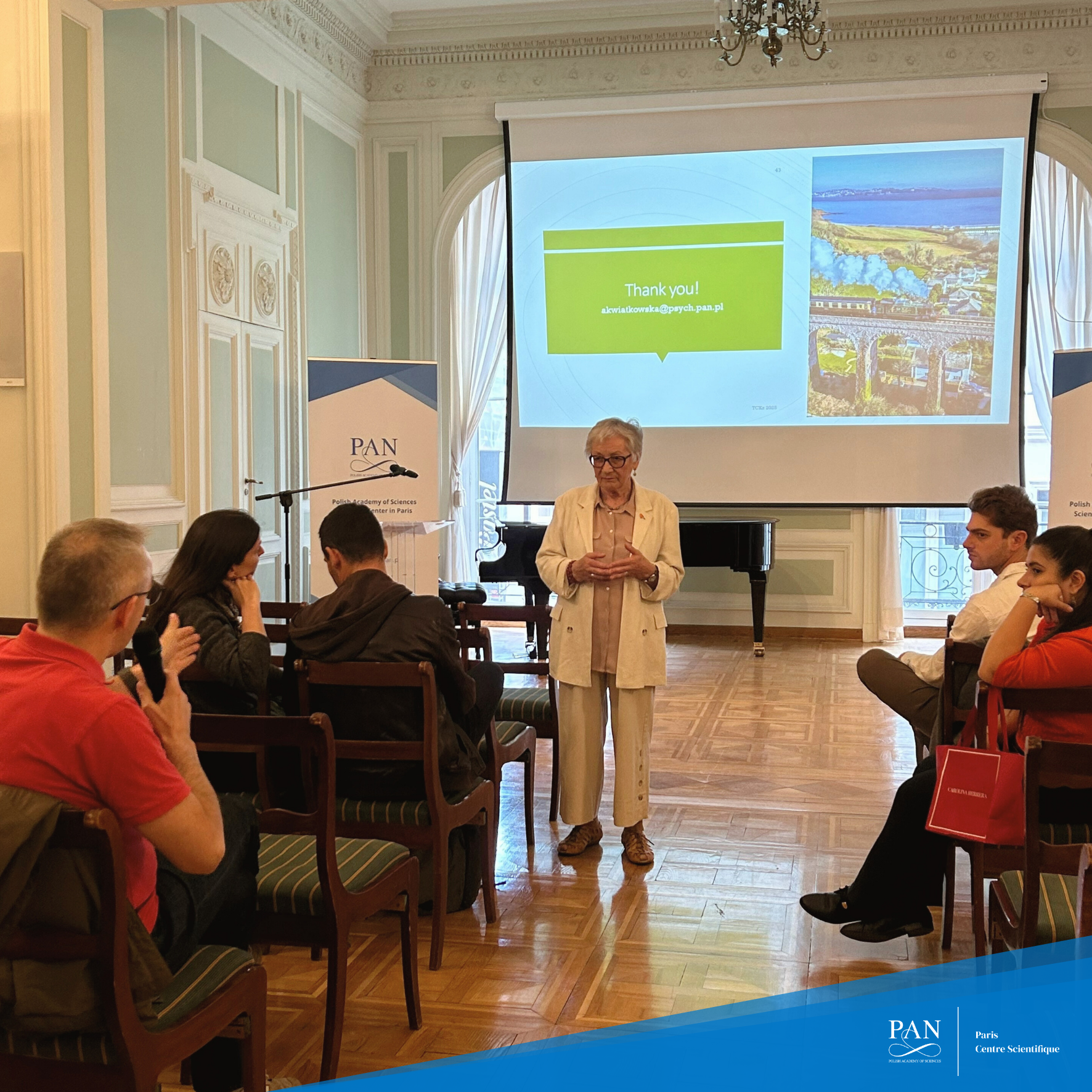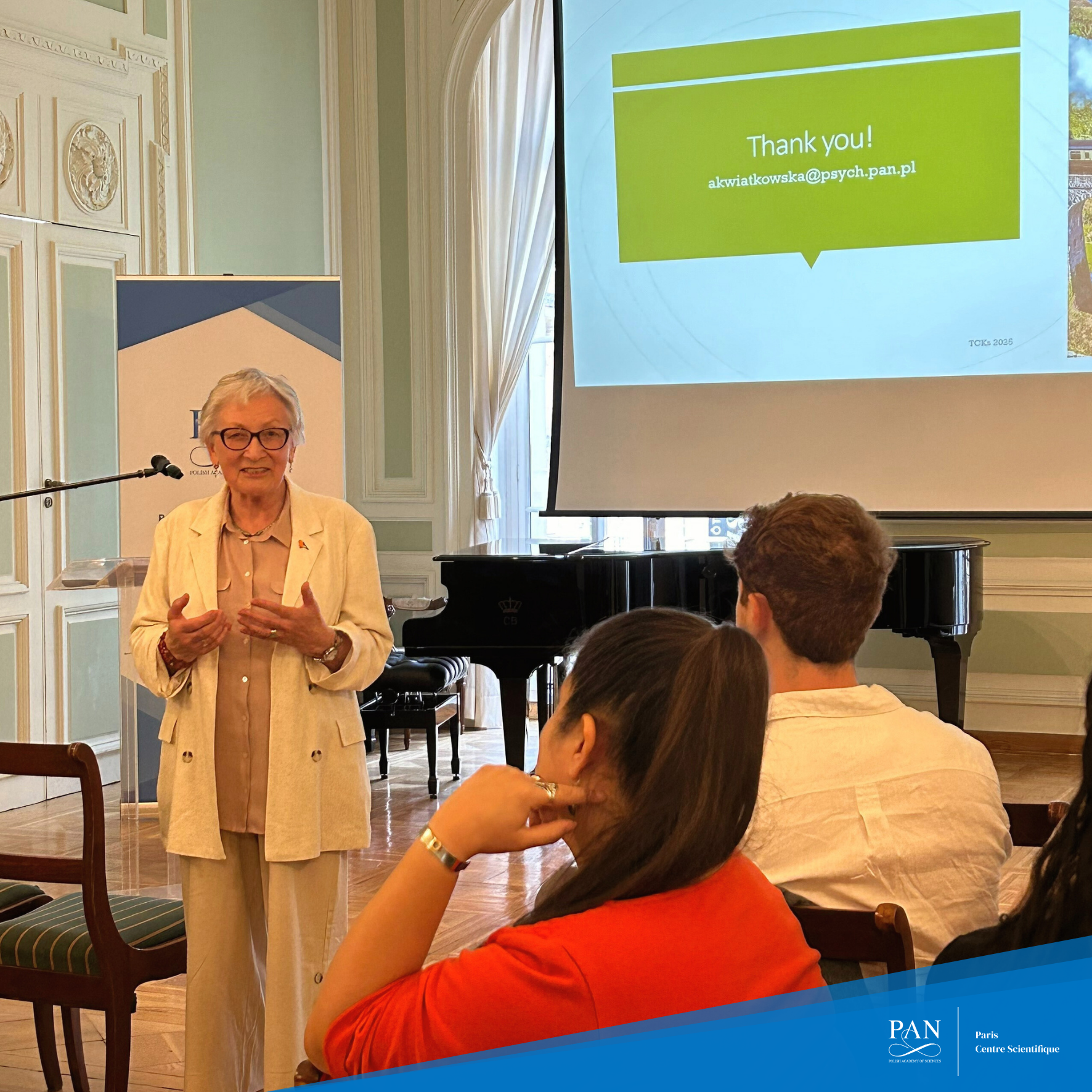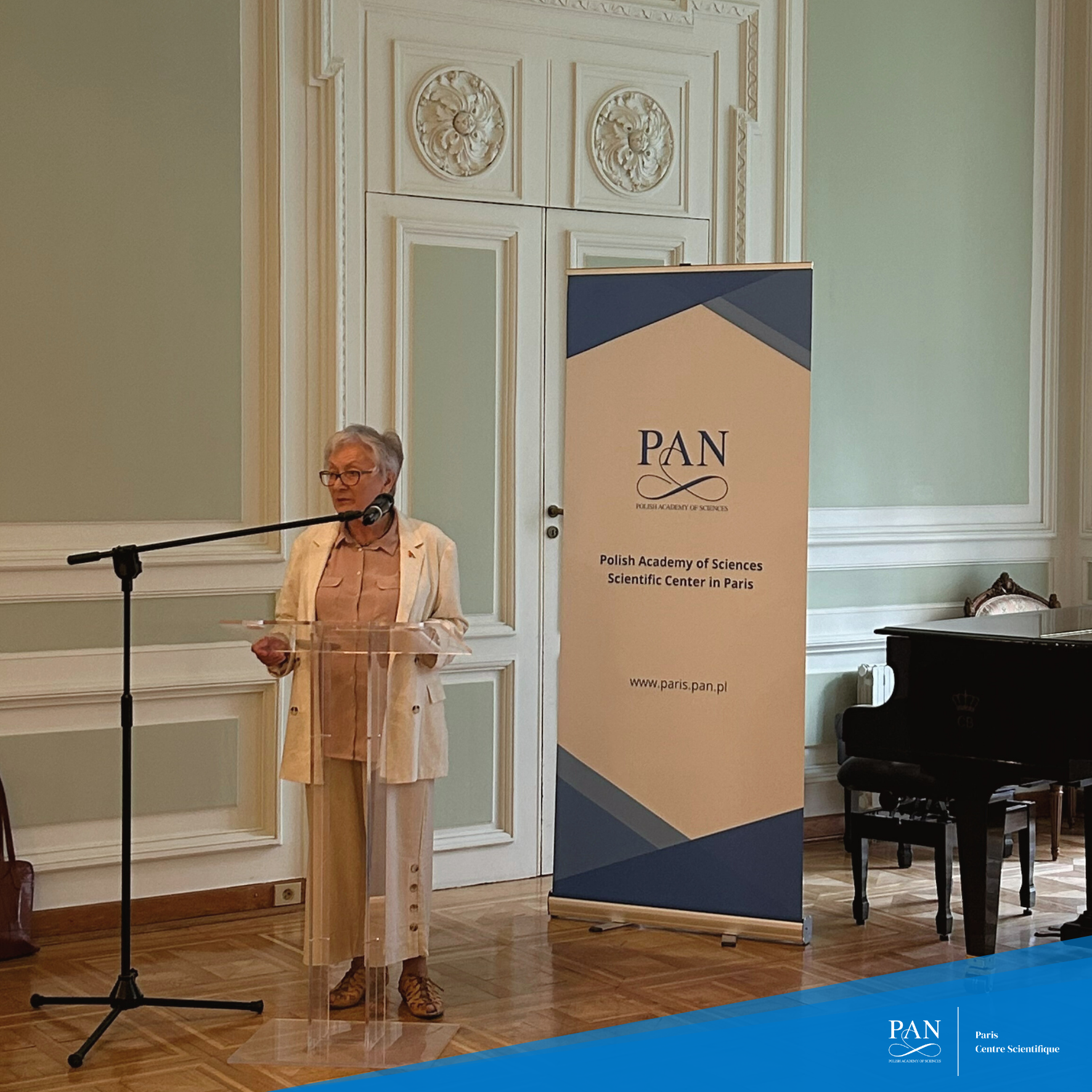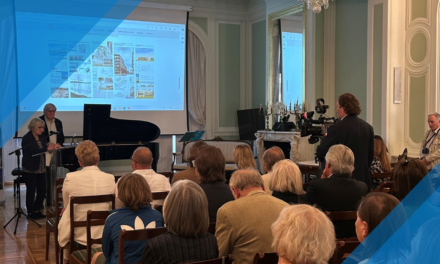


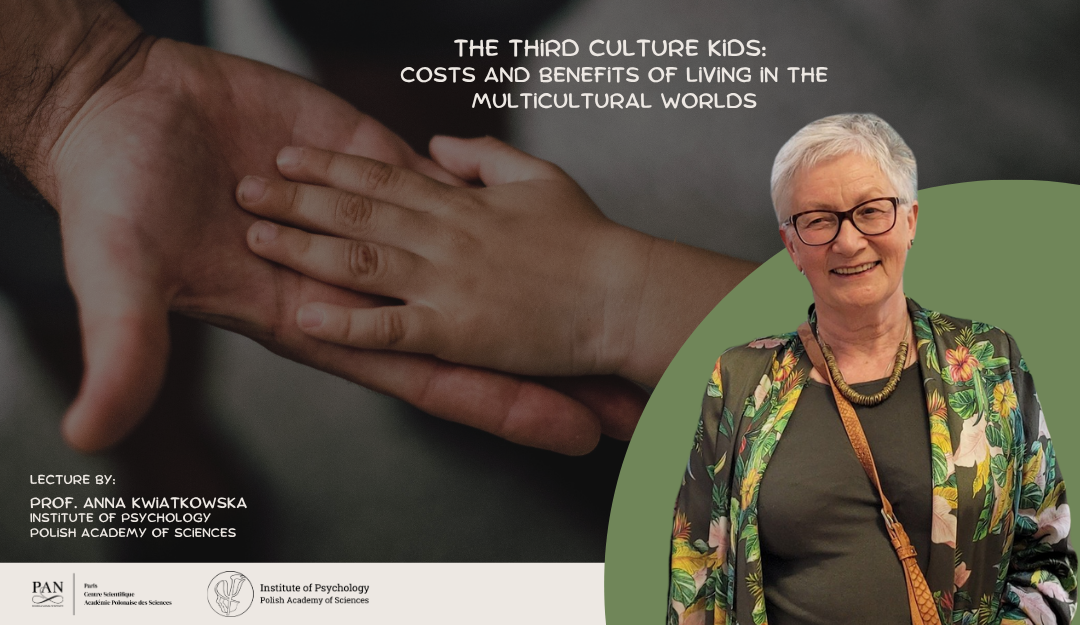
The lecture The Third Culture Kids: Costs and Benefits of Living in the Multicultural Worlds, held on 22 May 2025 and delivered by Professor Anna Kwiatkowska (Institute of Psychology, Polish Academy of Sciences), addressed the benefits and challenges of the Third Culture Kids’ life and the impact on their identity, wellbeing, and social adaptation.
The Third Culture Kids (TCKs) are individuals who have grown up in multicultural environments, often moving between different countries during key developmental years. This phenomenon refers to children raised outside the culture of their parents’ country, living in highly mobile and international settings. The lecture built on the classic definition of TCKs, pointing to a unique way of forming identity and belonging. As Prof. Anna Kwiatkowska emphasised, these children do not identify explicitly with any national culture, but constitute a so-called third culture: a common system of values of people brought up in mobility, interculturalism and diversity.
One of the key issues discussed in the lecture was cultural identity and how to deal with multiculturalism. Three strategies for managing multicultural identity were presented: categorisation (choosing one culture as dominant), compartmentalisation (switching between identities depending on the context), and integration (combining elements of multiple cultures into one coherent identity). According to research, identity integration correlates with higher levels of psychological well-being, life satisfaction, mental openness, and pro-environmental attitudes. In contrast, those categorising or compartmentalising identities often experienced greater emotional difficulties and feelings of alienation.
Despite the difficult aspects, including loss of relationships, frequent moving, or a sense of not being rooted, many TCK children point to the unique abilities acquired through this lifestyle, including highly developed social competencies (e.g., the ability to ‘read’ people’s emotions and behaviour), ease of relating, language proficiency, and a broad view of the world.
As Prof. Anna Kwiatkowska pointed out, research findings show that TCKs are more often better educated than their peers (81% earn a bachelor’s degree and many go on to pursue master’s and doctoral degrees), attain higher positions, and are more likely to engage with society.
Contrary to the frequent focus on TCK issues, the lecture highlighted that with the right support and opportunities for cultural integration, TCK children develop unique mental and social resources that allow them to function effectively in a global world.