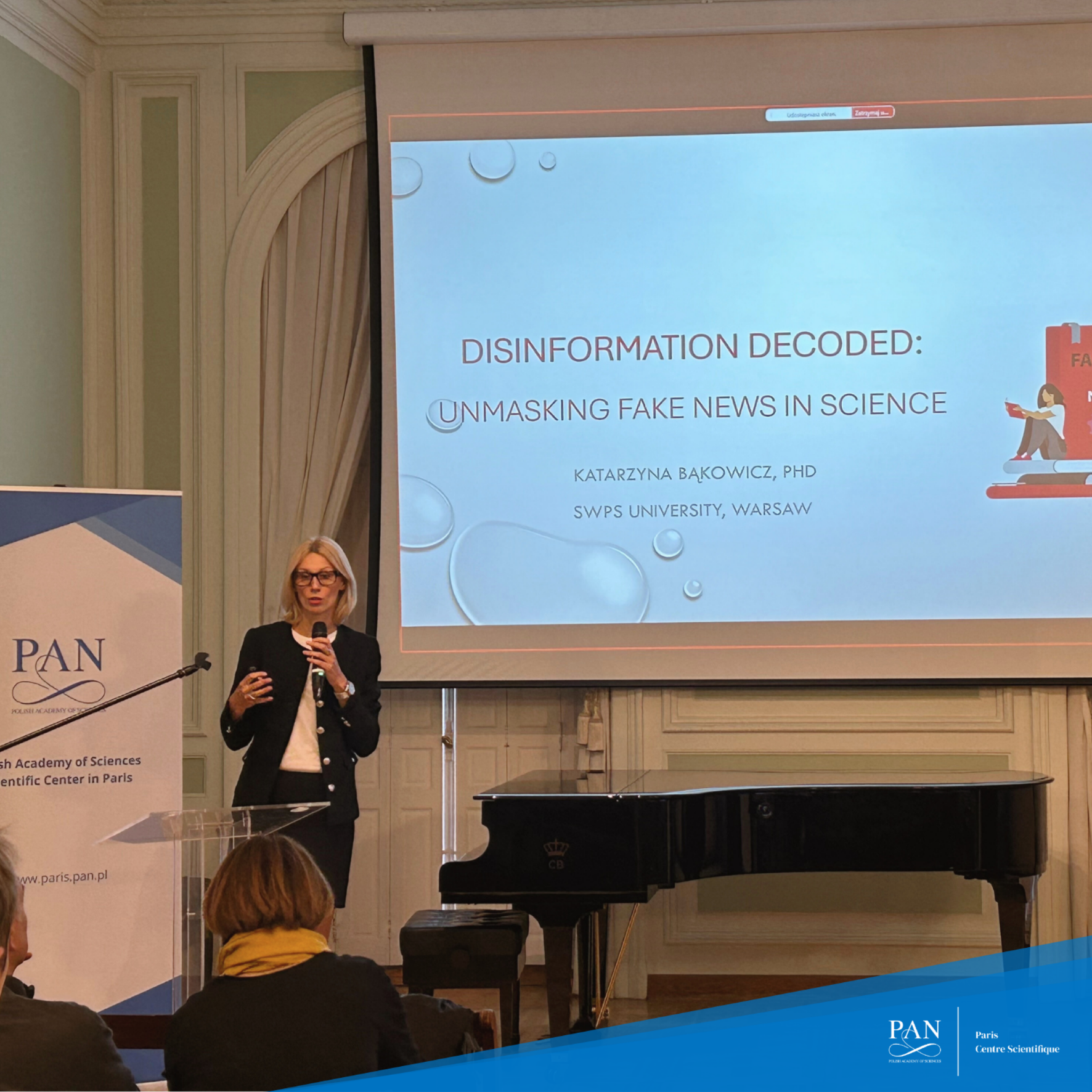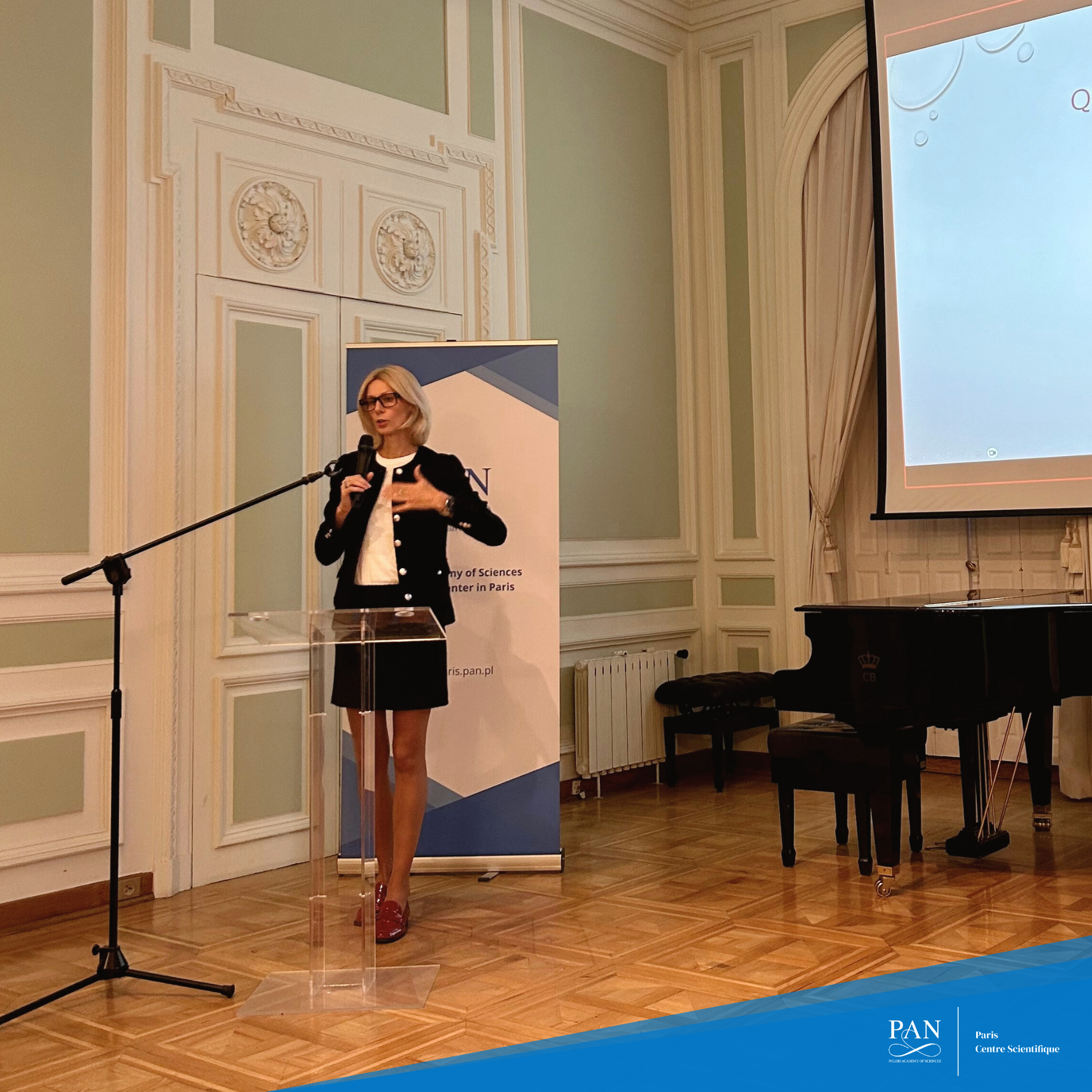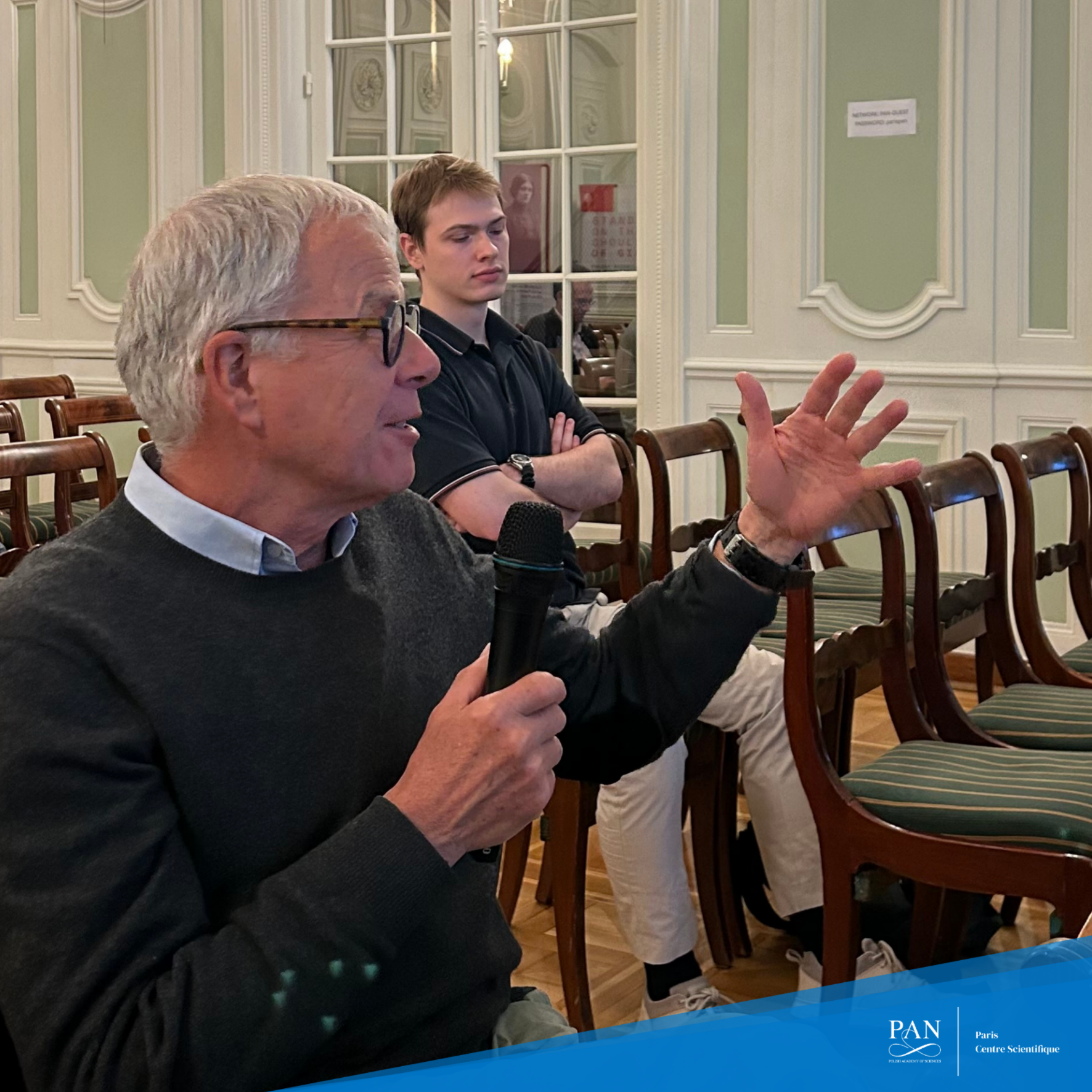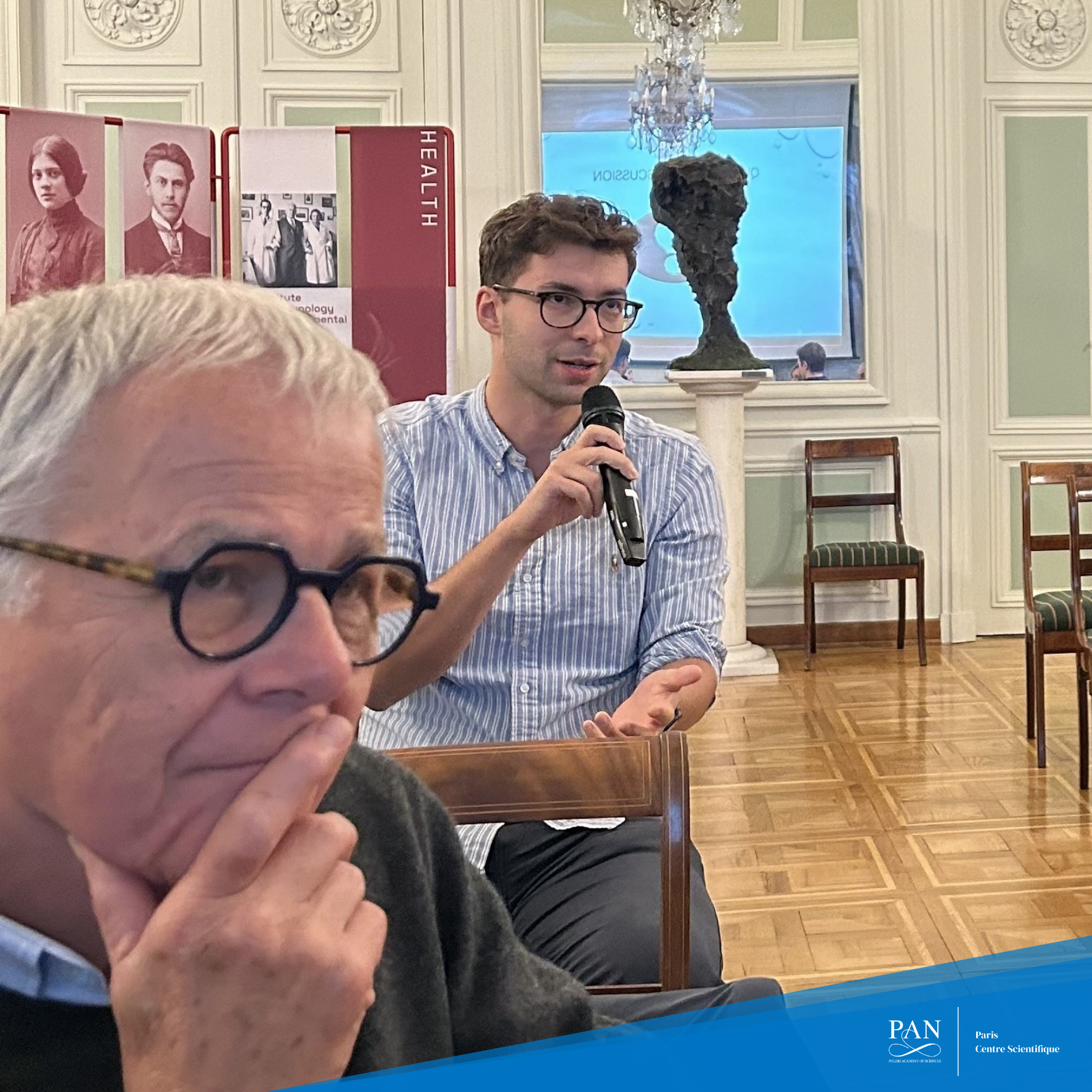


At the end of September 2025, the Polish Academy of Sciences Scientific Centre in Paris organised a lecture entitled “Disinformation Decoded: Unmasking Fake News in Science”, delivered by Katarzyna Bąkowicz, PhD (SWPS University, Polish Academy of Arts and Sciences), a renowned communication and media expert. The lecture addressed the phenomenon of disinformation in science.
During the lecture, Katarzyna Bąkowicz discussed the difference between fake and false news as well as their various types, visual disinformation, echo chamber effects and types of disinformation in science. As the main types of disinformation, the lecturer identified:
– disinformation (deliberate deceptive content);
– misinformation (unintentional false information);
– malinformation (harmful truthful disclosure).
Katarzyna Bąkowicz pointed out that so-called fake news is rarely completely untrue and often contains elements of truth, which makes it difficult to recognize as disinformation.
In the context of disinformation in science, Katarzyna Bąkowicz drew attention to pseudoscience, parascience, false or ‘junk’ science – which distort reality by using scientific language to appear credible, as well as predatory journals, which publish articles without proper peer review. Considering the latter, the lecturer presented an experiment conducted by Emanuel Kulczycki, PhD, and his team from the Adam Mickiewicz University in Poznań, which involved a fictional scientist named Anna O. Szust (in English: deceiver). The experiment aimed to expose the practices used by predatory journals and demonstrate the scale of this phenomenon.
Lastly, Katarzyna Bąkowicz presented methods for identifying disinformation and best practices for building resilience against it. This primarily involves developing critical thinking skills, avoiding jumping to conclusions and verifying sources, methodology and the author’s affiliation.
As Dr Bąkowicz pointed out, it is the responsibility of all of us, not just a specific social group, to counteract disinformation.